
Hollow Knight: Silksong review
nudge it straight to the top. The overall tone is genial and occasionally rapturous — with a few caveats that might not be trivial for you if you have strong feelings about how your Metroidvanias should behave. In short…
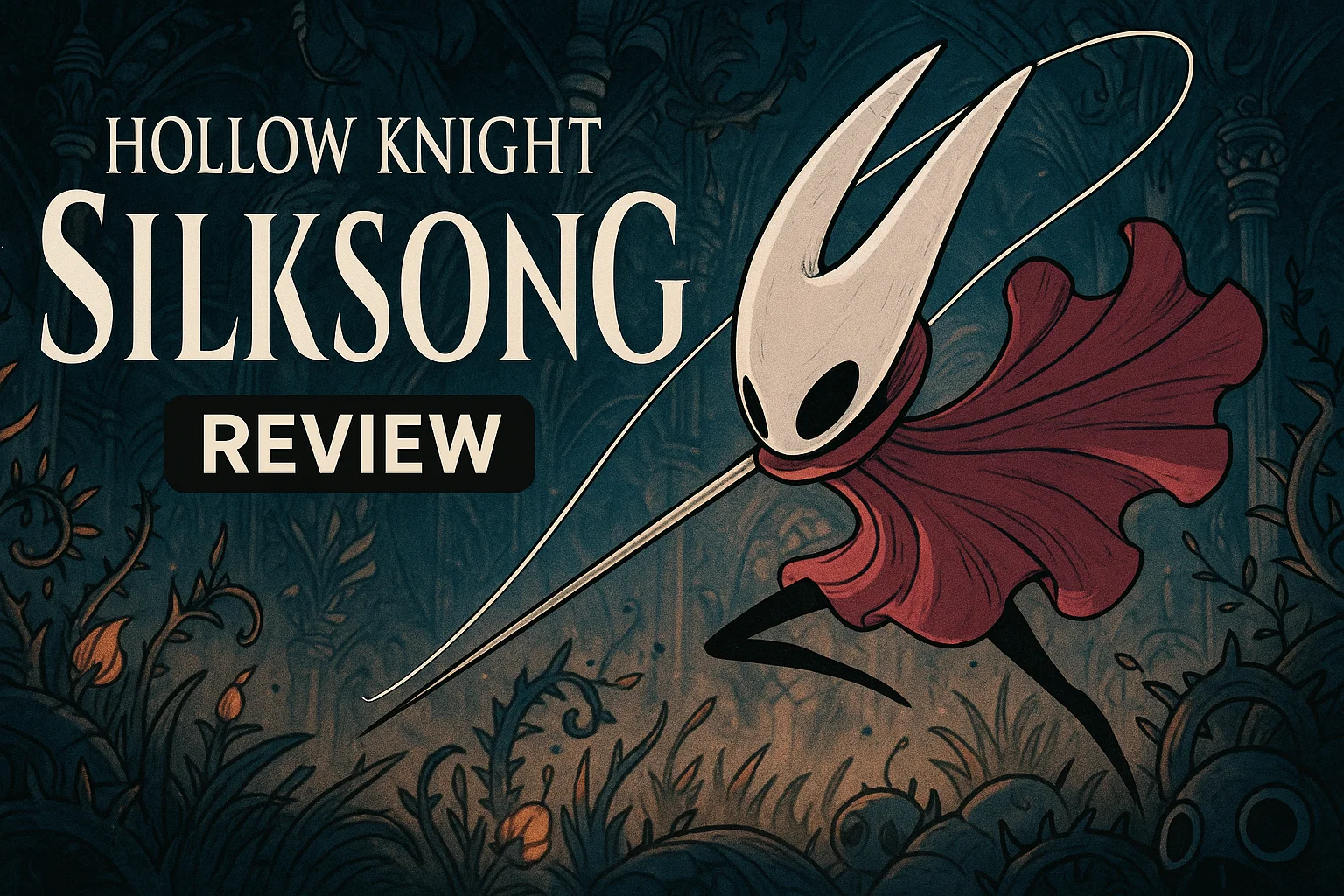
nudge it straight to the top. The overall tone is genial and occasionally rapturous — with a few caveats that might not be trivial for you if you have strong feelings about how your Metroidvanias should behave. In short: It’s great, it’s difficult and it makes no apologies to you know who is the boss.
The quick read (consensus)
Most end up at some version of: a great, meticulous follow-up that hones rather than overhauls. Fans of the original appear thrilled enough several reviewers have called it a “sharper,” “cleaner” and “more acrobatic rendition of what they already loved. Recent arrivals are more closely split. Some few indicate that the hours-long opener is a bit of a harsh wake-up call, especially for people who haven’t played the first game in some time. That contrast polish vs. prickliness is a thread that runs through much of the write ups.
Score snapshot
Numbers skew high. Think solid 9s with the random outlier:
High marks for level architecture, bossery diversity and a movement kit so compelling it practically forces you to come up with new combos.
Mixed notes The difficulty spikes are flagrant (especially early on) and it's familiar if you bounced off Hollow Knight 1 or never bought into its sombre tone.
The trend here is not so much “controversial sequel” as it is “strong sequel with more points than some wanted to risk.”
What the critics were swooning over
Movement & combat. Multiple reviewers say Hornet’s kit causes a shift in playstyle: an initial speed, air control that feels almost too generous until it tips down the slippery slope of slop, and a rhythm based on risk vs. reward that’s simple to learn but hard as hell to master. You’re not just surviving rooms you’re threading them.
World design. Reading like a dialogue between art and navigation, the maps are accompanied by a conversation. Sightlines hint at secrets, shortcuts feel like earned discoveries rather than information simply doled out and the game trusts you to connect enough dots that it doesn’t need to color them in neon. That confidence might be why the backtracking doesn’t often feel like busywork: When a path laps, it usually teaches you something.
Secrets on secrets. The original’s “did I just realize that?” magic returns. Secret challenges, optional boss fights and dormant lore pockets provide you an incentive to keep pushing even after you’ve “completed” it. It sounds like a game that pays off curiosity in small, continual amounts.
Performance. The experience is a smooth one on all platforms, with steady frame pacing and crisp input response that make tight windows feel fair when you actually hit them.”
what the problem was.GeneratedValue.
Early-game harshness. A spiky opening is evoked in several impressions: enemies that hit harder than expected, bosses with slim windows of opportunity, a healing economy that punishes panic. It’s not universally loathed (some people love the “trial by needle”), but if you like your ramps to be a bit more gentle, you might need to suck it up for those first few hours.
“Too familiar” for some. A minory view says that Silksong cleaves so close to Hollow Knight’s composition and feel that it can sometimes feel like “more (very good) Hollow Knight” and less of a clean break. If you were expecting a completely tonal swing, maybe temper expectations.
Navigation learning curve. The stripped-down UI is a feature, not a bug, but as a few critics mention being lost is still part of the tax. Whether that’s endearing or obnoxious may depend on your taste for wandering.
Where the takes diverge
Two threads split opinion. Part one, identity of the difficulty: Some say that the challenge level is exactly right — tough but learnable; others have called the early tuning “needlessly punishing.” Second, combat pace: Hornet’s off-the-wire toolkit thrills the twitchy homies in search of action, but a few methodical players wish the slower reads they could rely on for defense were still around this time. Neither is a dealbreaker; both are salutary expectations.
Tips if you’re new (or rusty)
Choose one escape and drill the hell out of it. One good out dash through, jump over, or fast parry covers three sort of known things.
Heal on rhythm, not on panic. Most bosses give you micro-beats. Take them or leave ‘em — just don’t smash.
Scout, then sprint. First run through an area? Take it slow, and mark obstacles in your mind. Second run be deliberate and chain movement tech.
Map discipline. If there’s any way to surface breadcrumbs, use it until that mental map clicks. Placing a marker near a tricky gate spares real-world time.
Focus on one upgrade line at a time. But you can also spread yourself too thin; momentum can grind to a halt. Sacrifice an hour and re-evaluate it, is all.
Volume matters. Little audio tells do some serious heavy lifting here, use headphones if you can (particularly on handhelds or low-volume setups).
For returning fans
If you loved Hollow Knight’s combination of atmosphere and “I can’t believe I finally beat that” catharsis, Silksong looks like it hits the same dopamine circuits harder, faster, cleaner. The refinements are subtle to the point where some people will deem them conservative, but they’re also the kind that stack. And by hour 10, the entire journey feels alien even as fragmentary elements look familiar.
For first-timers
It’s doable. And yes, you'll get slapped down by early bosses a lot. The game learns openly: Tê lAres are legible, mistakes are legible and progress is inked onto your hands as much as your stats. If you botch the first night, don’t take it off your phone. Sleep on it, experiment by moving one zone over, and see how a small movement tweak turns a brick wall into an open door.
A word on expectations
“Worth the wait” is the pull-quote echo chasing the rounds, and what’s probably fighting a losing battle against it, skepticism aside, it isn’t difficult to understand why. Yet, a little humility can help. Silksong is not an open-world checklist machine; it’s a crafted labyrinth that asks you to pay attention to the rooms, the bosses, your own twitchy thumbs. If you give it half a chance, it seems to meet you with grace in spades.